

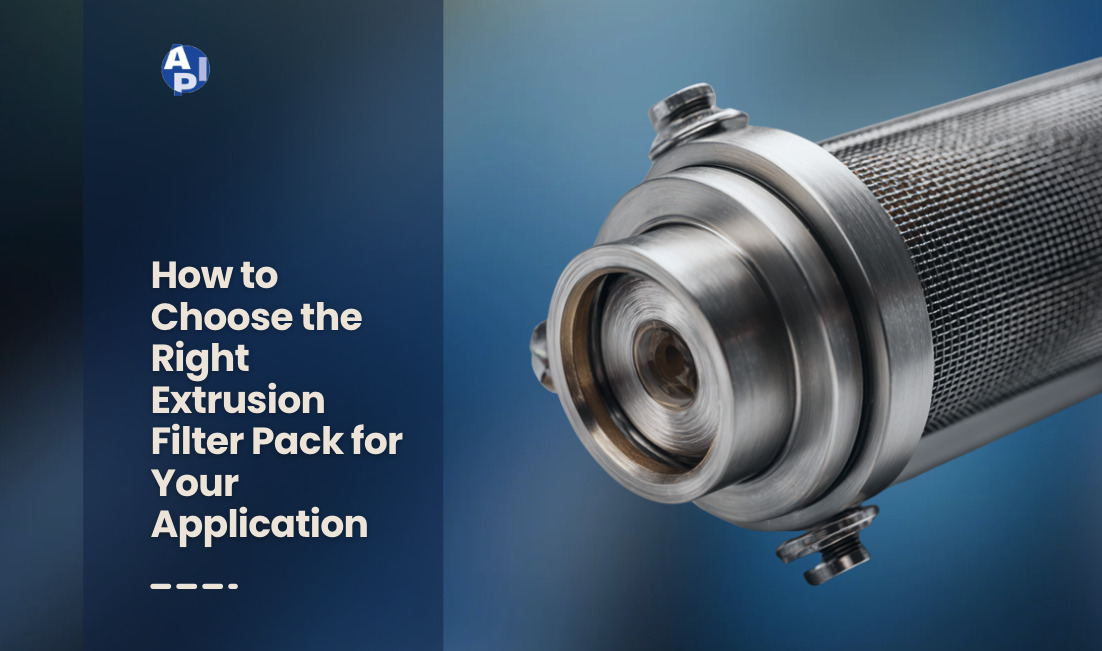
How to Choose the Right Extrusion Filter Pack for Your Application
Meta Description:
Learn how to select the right extrusion filter pack for your polymer processing needs, improve melt filtration, and rely on trusted suppliers for high-quality components.
Introduction
In polymer extrusion, the filter pack is one of the most critical components in maintaining a clean, defect-free melt. Choosing the right filter pack ensures smooth production, protects equipment, and delivers consistent product quality. Many manufacturers rely on experienced suppliers to provide high-quality extrusion filter packs and technical guidance to optimize operations.
Understanding Extrusion Filter Packs
A filter pack consists of multiple layers of mesh stacked together to remove impurities from polymer melts. They vary in mesh size, layer configuration, and material composition, depending on the specific polymer and application.
Key Types of Filter Packs:
- Single-Layer Filter Packs: Simple design, suitable for low-contamination applications.
- Multi-Layer Filter Packs: Provide higher filtration efficiency and longer life, ideal for recycling or high-demand polymer extrusion.
Factors to Consider When Choosing a Filter Pack
- Polymer Type
Different polymers, such as PET, PE, or PP, have unique viscosity and melt characteristics. Selecting the correct filter mesh and material ensures optimal flow and prevents defects. - Contamination Level
For heavily contaminated feedstock, such as recycled plastics, multi-layer or finer mesh packs may be required. For clean virgin polymers, simpler packs are often sufficient. - Production Volume
High-volume extrusion lines benefit from durable, multi-layer packs to minimize downtime. Smaller or intermittent production lines may use simpler packs to reduce cost. - Pressure and Temperature
High-pressure or high-temperature extrusion requires robust filter packs capable of withstanding operational stress without deforming.
Benefits of Using the Right Filter Pack
- Consistent Product Quality: Proper filtration prevents defects such as streaks, bubbles, or weak spots.
- Reduced Downtime: Durable, high-quality packs minimize frequent replacements.
- Extended Equipment Life: Protects extruder screws, screen changers, and downstream components from wear.
- Supplier Support: Trusted suppliers provide technical guidance to match the right filter pack to your extrusion process.
Industry Applications
- Plastic Recycling: Multi-layer filter packs help remove impurities from recycled PET, PE, or PP, producing cleaner pellets and reducing wear on extruder screws.
- Polymer Extrusion: In film, sheet, tubing, or filament production, proper filter packs ensure uniform melt flow and consistent dimensions.
- Technical Textiles: Non-woven or specialty fibers require precise filtration to avoid defects and maintain fiber quality.
Maintenance Best Practices
- Regularly inspect filter packs for signs of clogging or wear.
- Replace damaged packs promptly to prevent contamination or equipment damage.
- Keep spare packs in stock to minimize downtime during maintenance.
- Follow the supplier’s recommended installation and cleaning procedures for optimal performance.
Challenges and Solutions
- Clogging: Match the mesh size to polymer type and contamination levels.
- Premature wear: Use high-quality packs from reputable suppliers.
- Incorrect installation: Train operators to handle filter packs properly and follow manufacturer instructions.
Conclusion
Choosing the right extrusion filter pack is essential for smooth, efficient polymer processing. A well-selected filter pack ensures consistent product quality, reduces downtime, and extends equipment life. By working with trusted suppliers who provide high-quality packs and technical guidance, manufacturers can optimize their extrusion processes and maintain reliable operations across plastic recycling, polymer extrusion, and technical textile applications.
